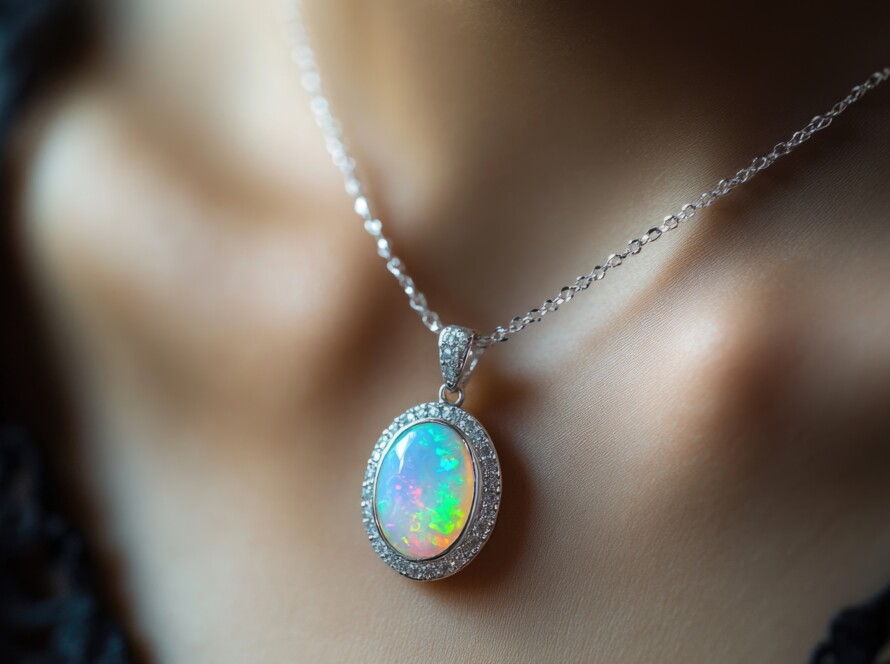
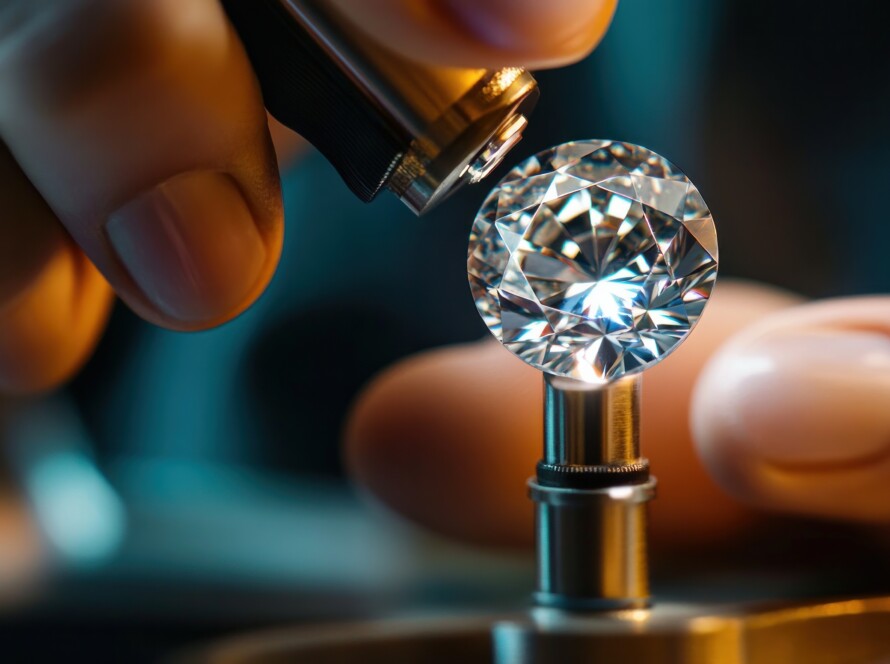
When it comes to selecting the perfect stone for a sustainable engagement ring, many couples today are asking: lab-grown vs. natural diamonds, which one is right for me? At Gem Classics, we understand that choosing between mined vs. lab-created diamonds isn’t just about sparkle; it’s about values, budget, and long-term satisfaction. Whether you’re looking for ethically sourced diamonds or exploring the carbon footprint of lab-grown diamonds, knowing the differences helps you make an informed choice.
What Are Natural Diamonds?
Real diamonds are formed deep within the Earth over billions of years, creating unique geological patterns and a sense of timeless rarity. Also known as mined diamonds, these stones can be GIA-certified, conflict-free natural stones that carry emotional and financial value. Are you asking, “Why are natural diamonds more expensive in 2026?” Natural diamonds are rare, and the mining process is intensive. You also have to look at the historical diamond resale value in 2026. Natural stones have long been a symbol of tradition and enduring elegance, perfect for those who prioritize legacy in their jewelry.
What Are Lab-Created Diamonds?
Lab-grown diamonds, also called synthetic diamonds, are produced in controlled environments using technologies to create CVD and HPHT diamonds. Chemically and physically identical to natural stones, lab diamonds offer a modern alternative that’s both eco-conscious and budget-friendly. For couples asking, “Are lab-grown diamonds considered ‘real’ diamonds?” The answer is yes. Their chemical composition matches natural diamonds, and they pass standard diamond testers. If you want sustainable engagement rings or carbon-neutral lab diamonds, they are a great choice. GIA-certified lab diamonds are available at Gem Classics, ensuring transparency and quality.
Key Differences to Consider
- Price: A diamond price comparison in 2026 shows lab diamonds are typically 20–40% less expensive than comparable natural stones, making questions like “Is a 2-carat lab diamond better than a 1-carat natural diamond?” highly relevant.
- Origin & Rarity: Natural diamonds are inherently rare, while lab-created diamonds can be produced on demand, offering flexibility in size and quality.
- Environmental & Ethical Impact: Lab diamonds often have a lower environmental footprint than mined stones, addressing concerns about the environmental impact of diamond mining. For those searching “How do lab-grown diamonds affect the environment?”, lab-grown stones represent a more sustainable alternative.
- Investment & Resale Value: The market value retention of natural diamonds varies from lab stones, but both can be sentimental and aesthetically appealing. Buyers asking “Are lab diamonds a good investment for the future?” should consider personal priorities alongside financial projections.
How to Choose the Right Stone
Choosing between real diamonds vs. lab diamonds depends on your values, budget, and style preferences. Ask yourself: Do I prioritize tradition or sustainability? Is size more important than rarity? At Gem Classics, we help clients customize their diamond rings, shop certified lab-grown diamonds, or buy conflict-free engagement rings, ensuring every choice aligns with both ethics and elegance.
Choose Your Diamonds Today!
Whether you’re drawn to the legacy of natural diamonds or the innovation of lab-grown stones, the right diamond is the one that reflects your story. At Gem Classics, we invite you to compare diamond prices, get a diamond grading report, and find ethical jewelry near me to explore your options side by side. Understanding differences between lab and natural diamonds under a microscope helps you make a confident decision because the perfect diamond is the one that shines for you, now and for generations to come.